Chi Kung in Maastricht: Discover the Art of Energy, Movement and Inner Balance
What if personal development didn’t always mean doing more, but learning to move, breathe and be with yourself differently?
In a world that often encourages us to move faster, think harder and keep pushing forward, there is something quietly powerful about slowing down. About standing still for a moment, feeling your feet on the ground, noticing your breath and discovering how much can change when you pay attention.
This is one of the invitations of Chi Kung, an ancient Chinese health and movement practice that you can explore at EQ Maastricht in our new four-day Chi Kung course, starting on 31 October 2026.
Whether you have been interested in Chi Kung and personal development for years, or have never heard of it before, this course offers an opportunity to explore a different relationship with your body, your breath and your own energy.
What Is Chi Kung?
Chi Kung, also written as Qigong or Qi Gong, is an ancient Chinese health system with a history traditionally traced back more than 5,000 years. The term is often translated as “energy work”, although these words only partly capture the depth of the practice.
In Chinese philosophy, Qi refers to the vital energy or life force associated with living beings, while Gong relates to skill developed through practice, effort and dedication. Together, the words point towards the cultivation of awareness and skill through working with the body, breath and attention.
But you don’t need to understand Chinese philosophy to begin practising Chi Kung.
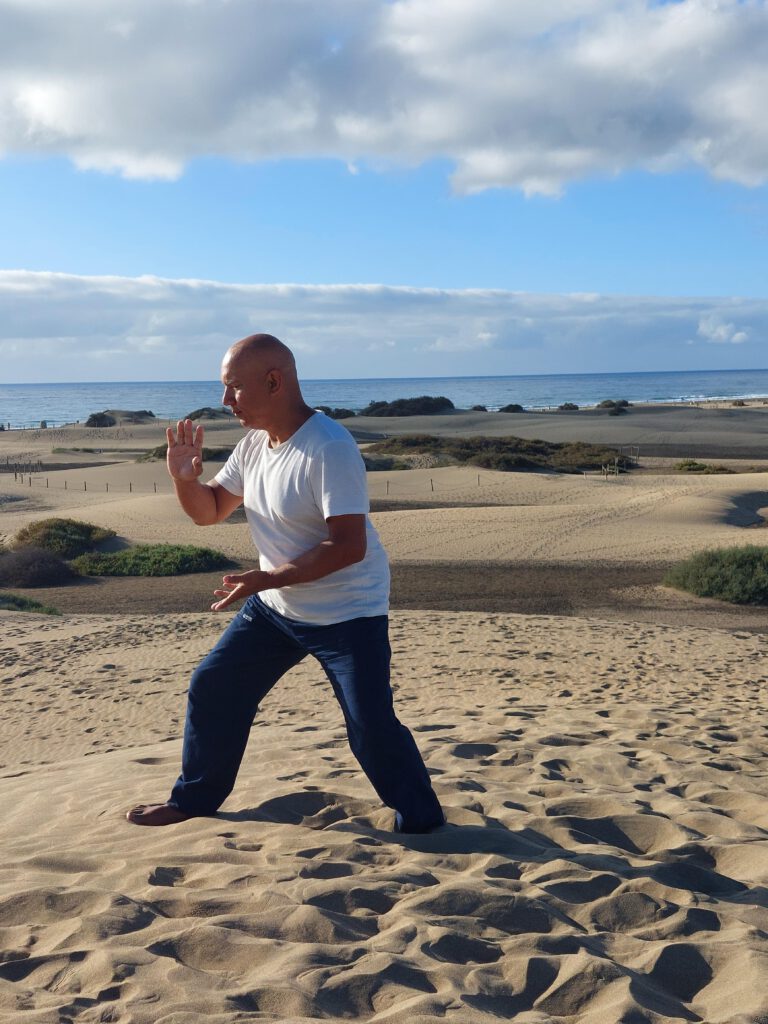
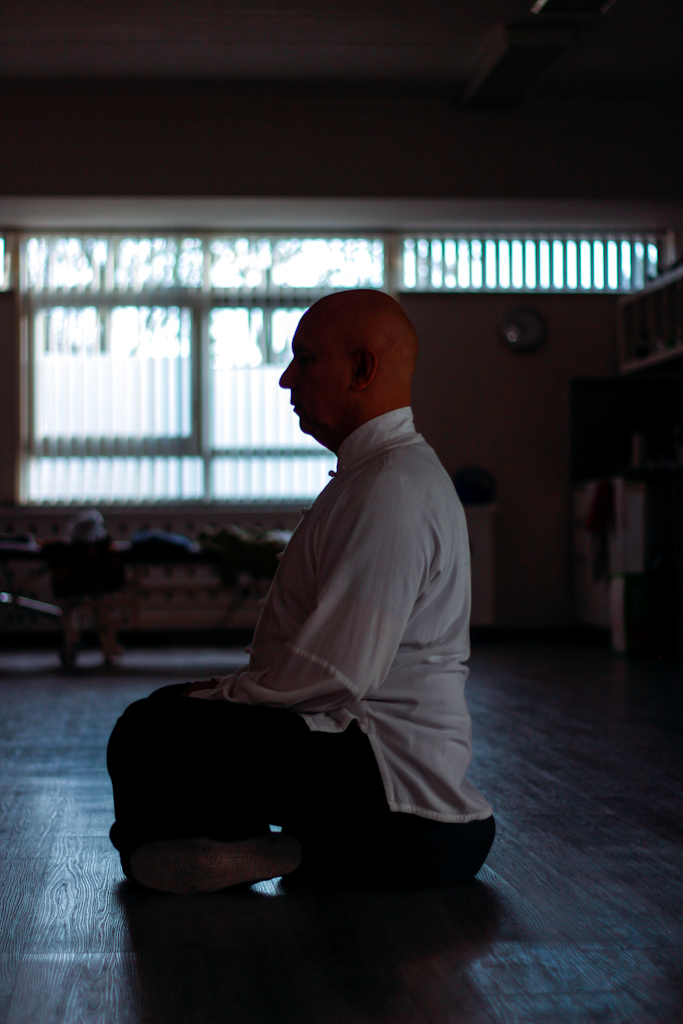
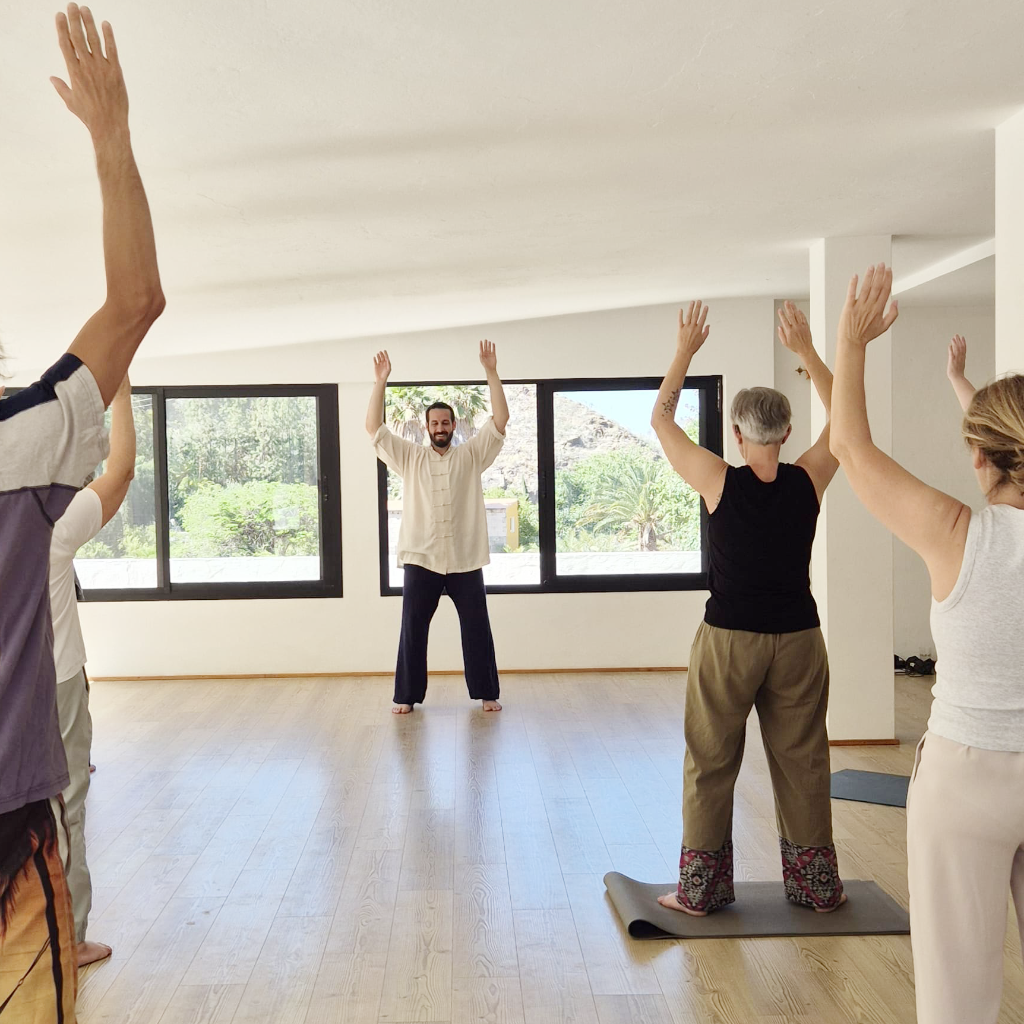
Imagine standing comfortably, allowing your shoulders to soften and taking a moment to notice your breathing. You begin to move your arms slowly, coordinating movement with your breath. You repeat the same movement several times, gradually becoming more familiar with it.
There is no need to perform perfectly or reach a particular destination. Instead, you begin to notice what is happening: where you hold tension, how you breathe, how you stand and how your body responds when you stop forcing things.
This is the heart of Chi Kung practice: learning through direct experience.
More Than Gentle Exercise
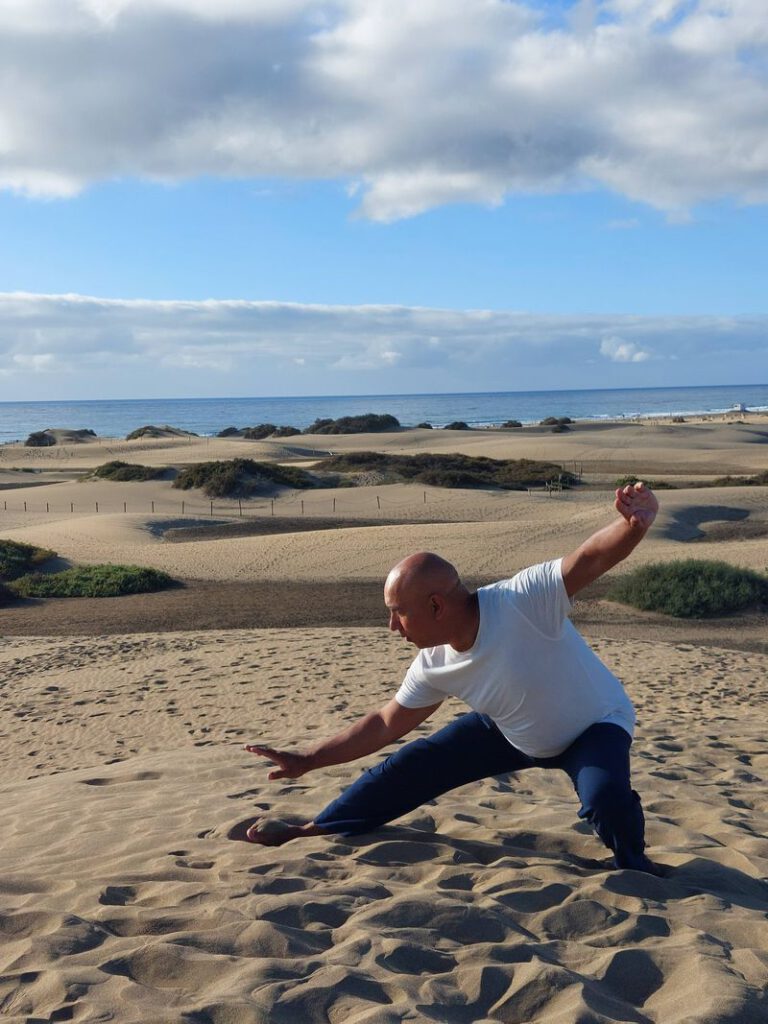
At first glance, Chi Kung may look like a series of simple, slow movements. And in many ways, it is exactly that. Yet the simplicity is part of what makes the practice interesting.
In Chi Kung, repetition creates an opportunity to pay attention. Rather than constantly learning something new, you return to familiar movements and explore them more deeply.
Can you stand with less unnecessary tension? Can you move without becoming rigid? Can you breathe naturally while remaining aware of your posture? Can you be attentive without trying to control every detail?
These questions connect Chi Kung with the wider journey of personal development.
We often carry familiar patterns into our everyday lives. We tighten our shoulders when we concentrate, hold our breath when we feel pressure or continue pushing when what we really need is a moment of rest. Through regular practice, Chi Kung offers a space to notice such patterns and experiment with different ways of responding.
The aim is not to force yourself into a particular state. It is to develop sensitivity, awareness and a more thoughtful relationship with your own movement.
Many people are drawn to Chi Kung because they want to explore relaxation, body awareness, balance or a deeper connection between body and mind. Others approach it through meditation, martial arts or an interest in traditional Chinese practices.
You don’t have to fit into any particular category. Curiosity is enough to begin.
What Will You Learn During the Chi Kung Course in Maastricht?
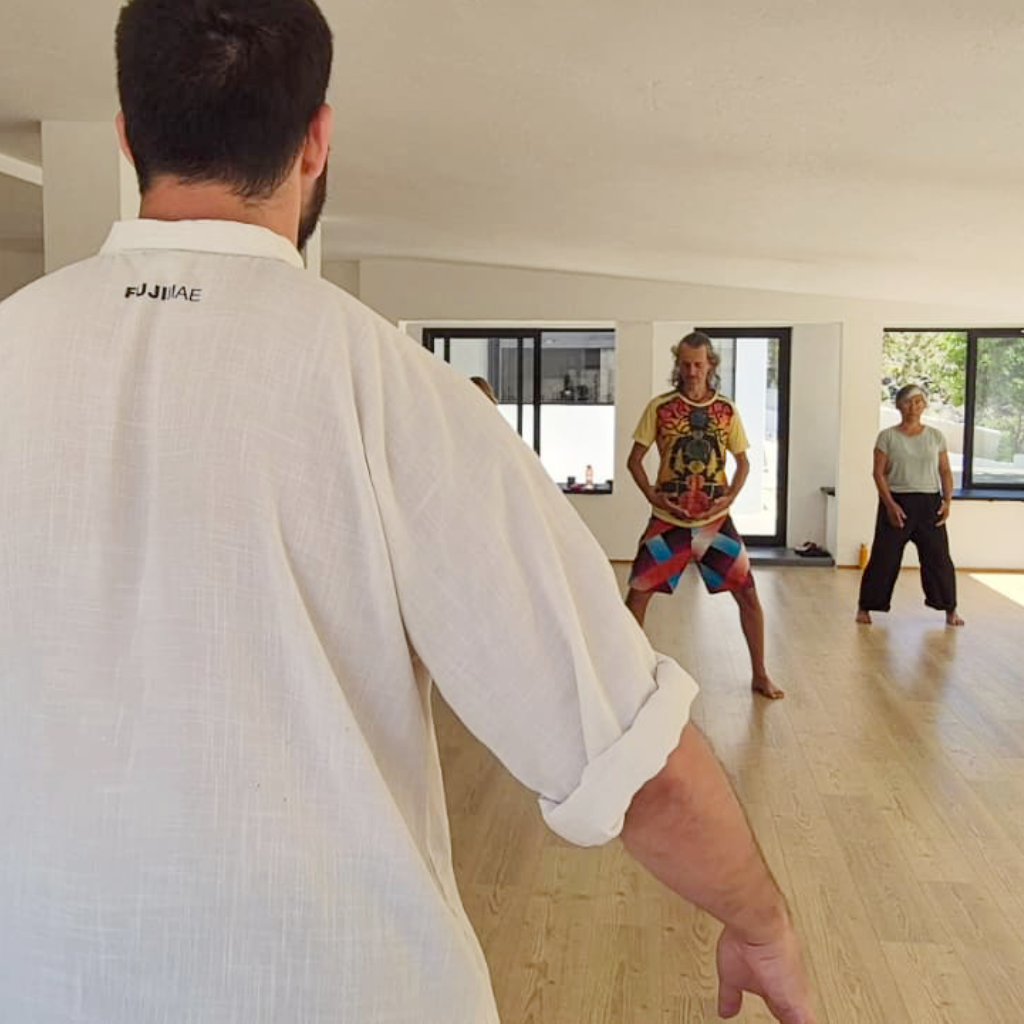
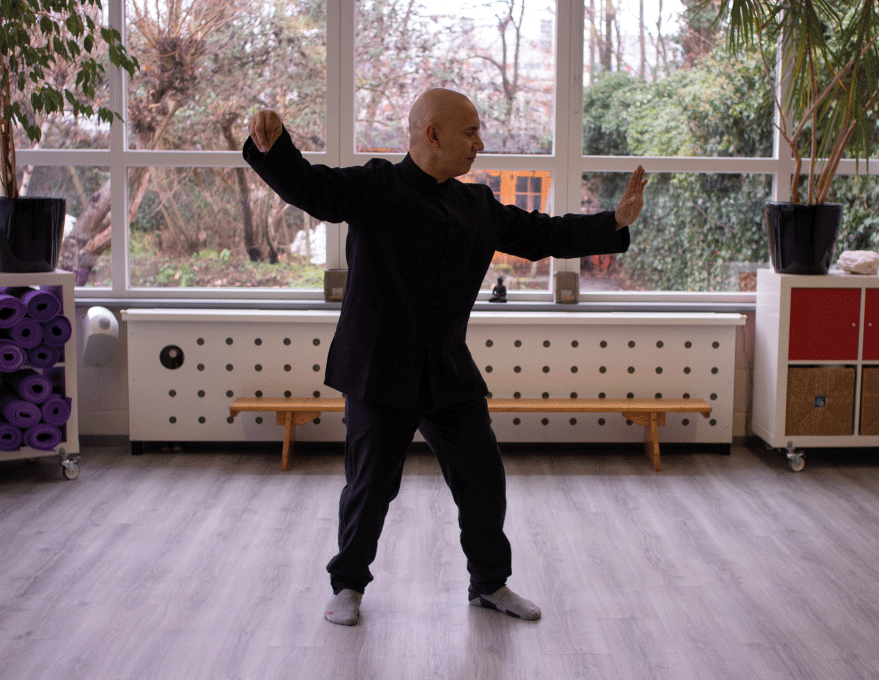
Our new Chi Kung course at the EQ Dojo in Maastricht brings together several traditional practices and fundamental principles. Throughout four full training days, we will explore simple exercises that can be repeated and gradually integrated into your daily life.
The emphasis is on learning through practice, giving yourself time to experience the exercises rather than simply memorising instructions.
The Eight Brocades: A Traditional Foundation
One of the practices we will explore is the Eight Brocades, known in Chinese as Ba Duan Jin.
This well-known Qigong sequence consists of eight movements traditionally used to cultivate health, mobility and bodily awareness. The movements combine gentle stretching, coordinated breathing and attentive posture.
Each exercise offers an opportunity to explore how you use your body and how movement changes when you approach it with greater ease.
The sequence is structured enough to practise independently, yet offers plenty of room for personal discovery. With repetition, familiar movements can reveal new details.
Da Cheng Chuan: Exploring Stillness and Structure
We will also work with selected elements from Da Cheng Chuan, a Chinese martial art associated with standing practice, structural awareness and the development of internal skill.
Here, the relationship between posture, relaxation and intention becomes particularly interesting.
Standing still may sound easy, but remaining upright without unnecessary tension can be surprisingly revealing. How do you distribute your weight? Are you holding yourself rigidly? Can you become more aware of your body while allowing it to remain soft and responsive?
These explorations invite you to discover that softness does not have to mean weakness, and that stability does not necessarily require stiffness.
Breathing, Posture and Softness
Breathing and posture are central themes throughout the course.
We will explore breathing techniques and investigate how the way we stand, sit and move influences our experience of the exercises. Rather than treating posture as something to correct into a perfect shape, we will pay attention to comfort, balance and the possibility of releasing unnecessary effort.
Softness is an important principle here. It is not about becoming limp or passive, but about discovering where effort is useful and where it can be reduced.
This approach can offer valuable insights for people who already practise meditation, yoga, Tai Chi or other movement disciplines. It is equally accessible to those who simply want to become more familiar with their bodies.
Walking Meditation: Bringing Awareness Into Movement
Chi Kung is not limited to standing still or performing a sequence of movements.
We will also explore walking meditation, in which the act of walking becomes an opportunity to practise attention and presence.
Instead of walking automatically while thinking about the next task, you bring your awareness to the sensations of moving: the contact of your feet with the ground, the shifting of your weight and the rhythm of your steps.
It is a simple practice, but one that can change how you experience an ordinary activity.
And perhaps that is one of the most useful aspects of Chi Kung: the discovery that awareness does not have to be reserved for a meditation cushion or a training room. It can gradually become part of everyday life.
Why Four Training Days, Spread Across Several Months?
This Chi Kung course is designed as a gradual learning process rather than a single intensive workshop.
We will meet on four Saturdays between October 2026 and May 2027. The time between sessions is an essential part of the course.
After each training day, you will have an opportunity to practise the exercises yourself, observe your experiences and allow the knowledge to develop at your own pace.
You may notice that an exercise feels different when you practise it at home without a teacher guiding you. Questions may arise. You might discover that a movement you initially found simple becomes more interesting as you pay closer attention.
These experiences are part of learning.
When we meet again, there will be an opportunity to build on what you have explored, deepen your understanding and prepare for the next step.
This rhythm of learning, practising and returning helps connect the training days with everyday life. Rather than keeping Chi Kung as something you do only during a class, you can gradually discover how the practice fits into your own routine.
The course is suitable for people with and without previous Chi Kung experience, provided they are willing to practise between sessions.
Chi Kung and Personal Development: A Practice of Discovery
Personal development is often presented as a process of adding something: more knowledge, more discipline, more skills or more control.
Chi Kung offers another perspective.
Sometimes development begins by noticing what is already happening. You become aware of how you stand, how you breathe, where you use unnecessary effort and how quickly your attention moves elsewhere.
From there, you can begin to experiment.
What happens when you allow a little more space in a movement? What changes when you stop trying to achieve a particular result? Can you remain attentive while being less tense?
There are no instant answers, and each person will experience the practice differently. The value lies in taking the time to explore.
For those who have already travelled some distance on a path of personal development, Chi Kung can offer a practical way to continue exploring awareness through the body rather than through thought alone.
For newcomers, it can be an accessible introduction to mindful movement, breathing and the connection between physical experience and attention.
You don’t need to arrive with a particular goal. You can begin with a simple willingness to experience something new.
Discover Chi Kung During EQ Spirit Week
Curious about Chi Kung but not sure whether a full course is right for you?
You can first get a taste of the practice during EQ Spirit Week, from 19 to 23 October 2026, at the EQ Dojo in Maastricht.
The programme includes several workshops related to Qigong, movement, breathing and awareness. For example, you can explore Qi Gong – 6 Breaths on Tuesday evening, Qi Gong for Stress on Wednesday evening, or the Reaching Earth / Touching Heavens movement workshop on Friday morning.
These workshops offer an opportunity to experience aspects of the practice, meet the EQ community and discover what resonates with you before the longer course begins.
You can find the programme and registration information on the EQ Maastricht website.
Join Our Chi Kung Course in Maastricht
If you feel drawn to exploring Chi Kung more deeply, we warmly invite you to join us at the EQ Dojo in Maastricht.
Whether you are taking your first steps into mindful movement or bringing years of interest in traditional Chinese practices and personal development, there is room to explore at your own pace.
Across four training days, we will work with traditional exercises, breathing techniques, posture, softness and walking meditation. Between sessions, you will have time to practise independently and let your experience grow.
You do not need to know everything before you begin. You only need to be willing to pay attention, practise and discover.
Perhaps the most interesting part of Chi Kung is not what you learn to do, but what you gradually learn to notice.
We look forward to exploring it with you.
Chi Kung Course – Practical Information
Location: EQ Dojo, EQuilibrium Maastricht
Godefridus van Heerstraat 38
6227 RJ Maastricht, The Netherlands
Dates: Four Saturdays, from 10:00 to 16:00
- 31 October 2026
- 9 January 2027
- 13 March 2027
- 22 May 2027
Investment: €450 for the complete four-day training.
Experience: Suitable for beginners and experienced practitioners who are willing to practise between sessions.
More information and registration:
Contact: info@eqmaastricht.nl
Give yourself the time to explore. Discover Chi Kung in Maastricht, one movement and one breath at a time.